

Hot Springs National Park history is closely tied to the thermal waters that drew people to the area and the bathhouses built to use them. Today, Bathhouse Row preserves eight historic bathhouse buildings, while the Fordyce Bathhouse Visitor Center and Museum offers a free self-guided look at the district’s past.
- Location: Bathhouse Row is in Hot Springs National Park.
- From Lotus by Hotel Inn - Hot Springs near the park, the park is about a 5-minute drive.
- The Fordyce visitor center and museum is open daily from 9:00 a.m. to 5:00 p.m., with holiday exceptions.
- The Fordyce tour is free and self-guided.
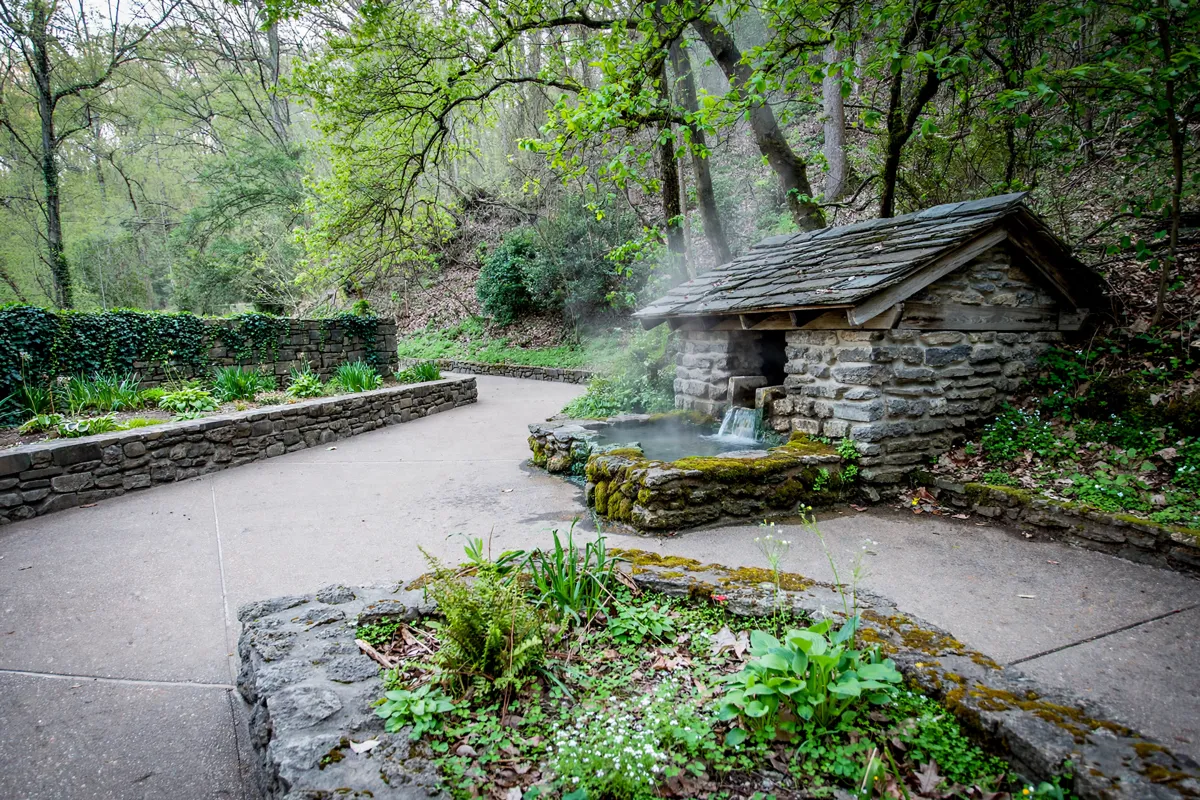
Thermal waters and early settlement
Efforts to reserve Hot Springs’ thermal waters for public use began before the area became a national park. In 1820, Arkansas Territory asked Congress to reserve the hot springs for public use. President Andrew Jackson signed legislation establishing Hot Springs Reservation in 1832.
The National Park Service timeline records Asa Thompson as the builder of the first bathhouse near present-day Fountain Street in 1830. Early bathhouses were rough canvas or wooden structures built over springs or reservoirs cut into rock. More elaborate bathhouses began to appear in the 1850s, as the district developed around bathing in the thermal water.
That early history helps explain why water protection and public access became central to the area’s story. The reservation was set aside to protect the springs, and bathhouses made the water available for bathing.
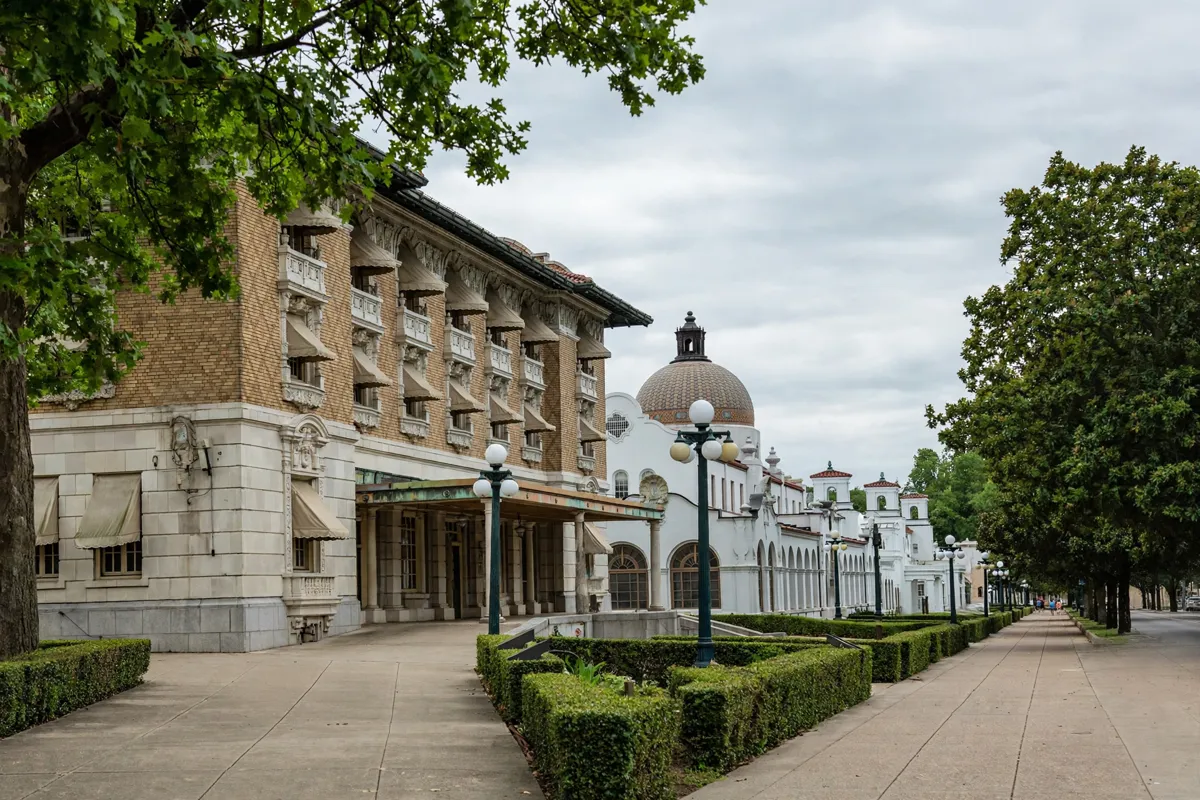
How the bathhouses developed
Bathhouses evolved from simple structures into a more organized district, with government involvement shaping their construction and water supply. In 1877, Benjamin Kelley became the reservation’s first superintendent and directed the opening of its first free government bathhouse.
A fire in 1878 destroyed most bathhouses along Hot Springs Creek. The government then improved bathhouse construction and the distribution of thermal water. The surviving buildings on Bathhouse Row were built later, between 1892 and 1923.
The Fordyce Bathhouse Visitor Center and Museum offers a free self-guided tour across three floors and a basement. Historic furnishings and exhibits cover bathhouse history, water as medicine, and the role of thermal water in the park’s creation.
If you want a broader introduction to the area beyond its history, the Hot Springs National Park visitor guide covers the park as a destination.
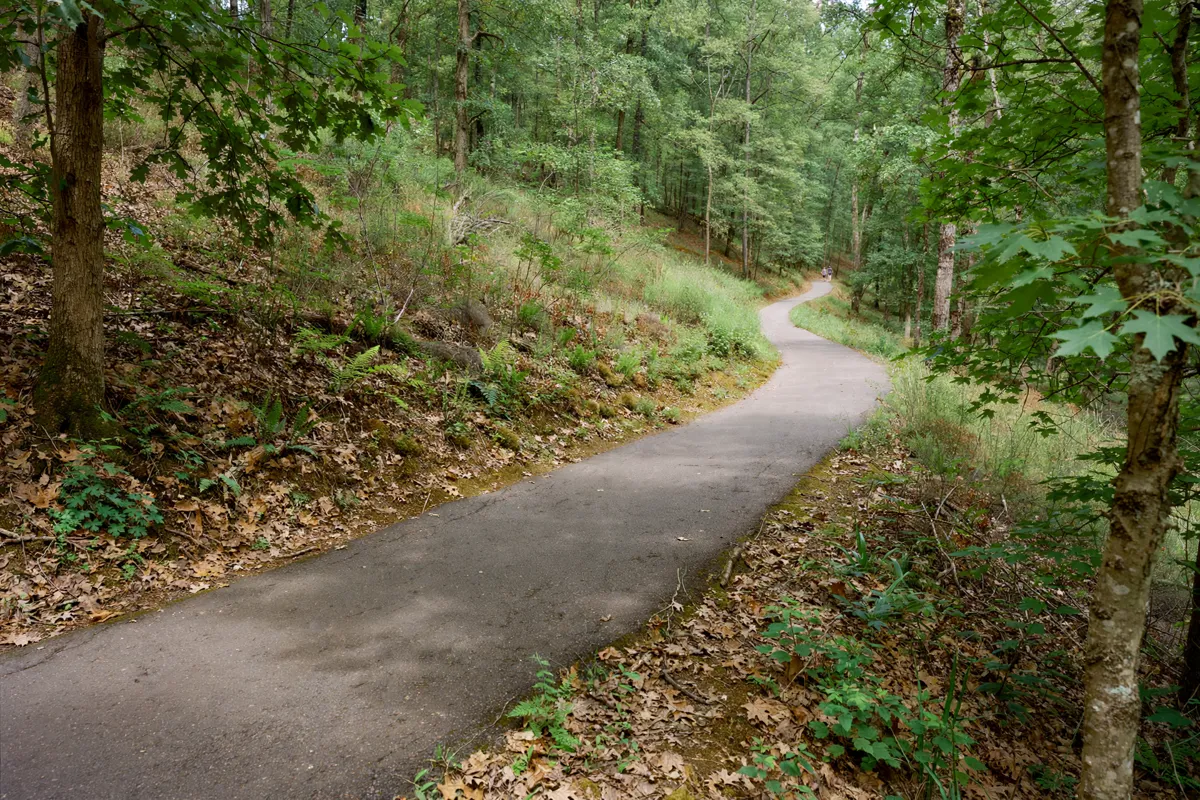
Protection of the hot springs
Hot Springs Reservation became Hot Springs National Park in 1921, after decades of measures to safeguard the thermal water. In 1901, a water collection and distribution system was installed, and all the springs were enclosed to protect the water and retain its heat.
Congress redesignated the reservation as Hot Springs National Park in 1921. The park boundary expanded by more than 4,000 acres in 1938, extending the protected landscape beyond the historic bathhouse district.
Park hours are 5:00 a.m. to 10:00 p.m. daily. Roads to the Hot Springs Mountain, North Mountain, and West Mountain summits are open to vehicle traffic from 8:00 a.m. to 10:00 p.m. Check the official site before you go for current hours and access details.
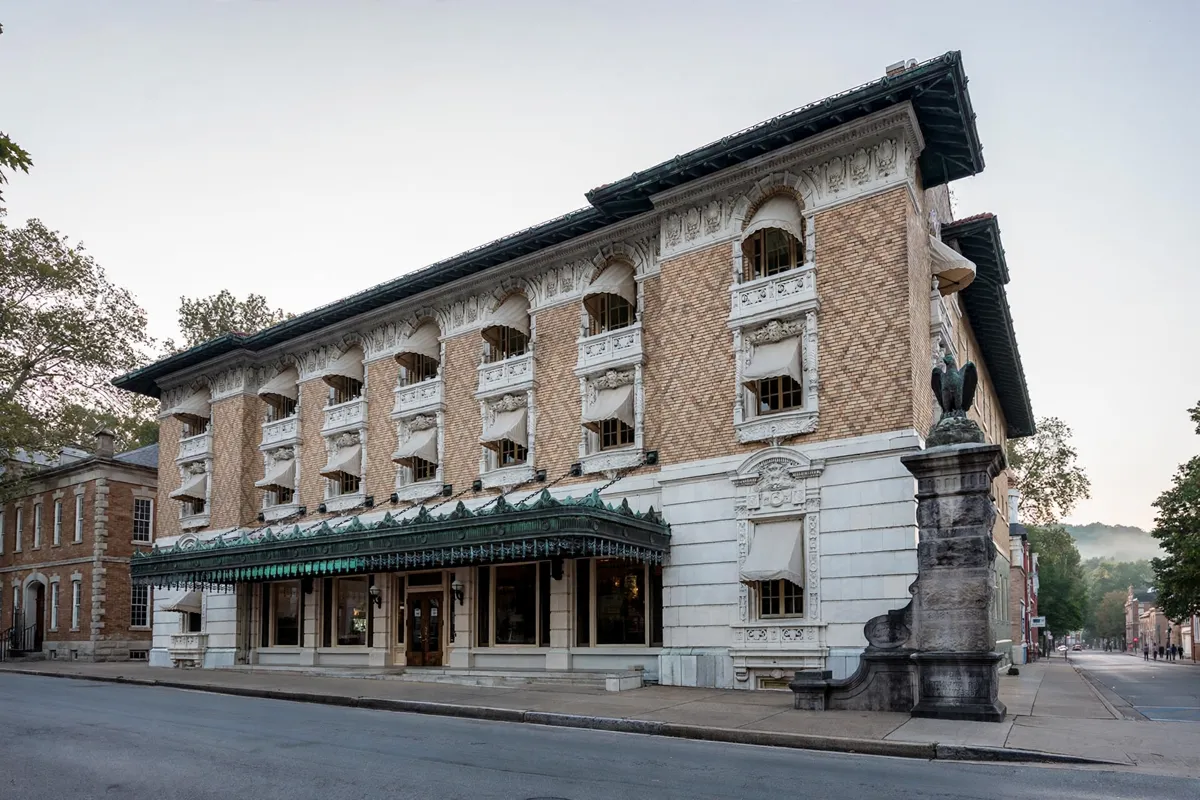
What remains visible on Bathhouse Row
Bathhouse Row and the Grand Promenade are the most direct places to see the district’s historic architecture. Together, they became a National Historic Landmark District in 1987. The row’s eight surviving bathhouse buildings show the scale and range of the district that grew around the thermal waters.
Start with the exteriors along Bathhouse Row, then take the Fordyce tour to see historic furnishings and learn how bathing shaped the area.
The free app-based Hidden Hot Springs tour follows a one-mile loop along Bathhouse Row to Happy Hollow Spring, returning along the Grand Promenade. For a day planned around more than the historic district, a one-day Hot Springs itinerary can help you combine stops.
The Fordyce visitor center and museum is open every day from 9:00 a.m. to 5:00 p.m., except Thanksgiving Day, Christmas Day, and New Year’s Day.
FAQs
When did Hot Springs Reservation become a national park?
Congress redesignated Hot Springs Reservation as Hot Springs National Park in 1921.
How many historic bathhouses remain on Bathhouse Row?
Eight bathhouse buildings survive on Bathhouse Row. They were built between 1892 and 1923.
Can you tour the Fordyce Bathhouse?
Yes. The Fordyce Bathhouse Visitor Center and Museum offers a free self-guided tour of its three floors and basement.
Is the Hot Springs tour app-based?
The free app-based Hidden Hot Springs tour is a one-mile loop that starts along Bathhouse Row and returns along the Grand Promenade.